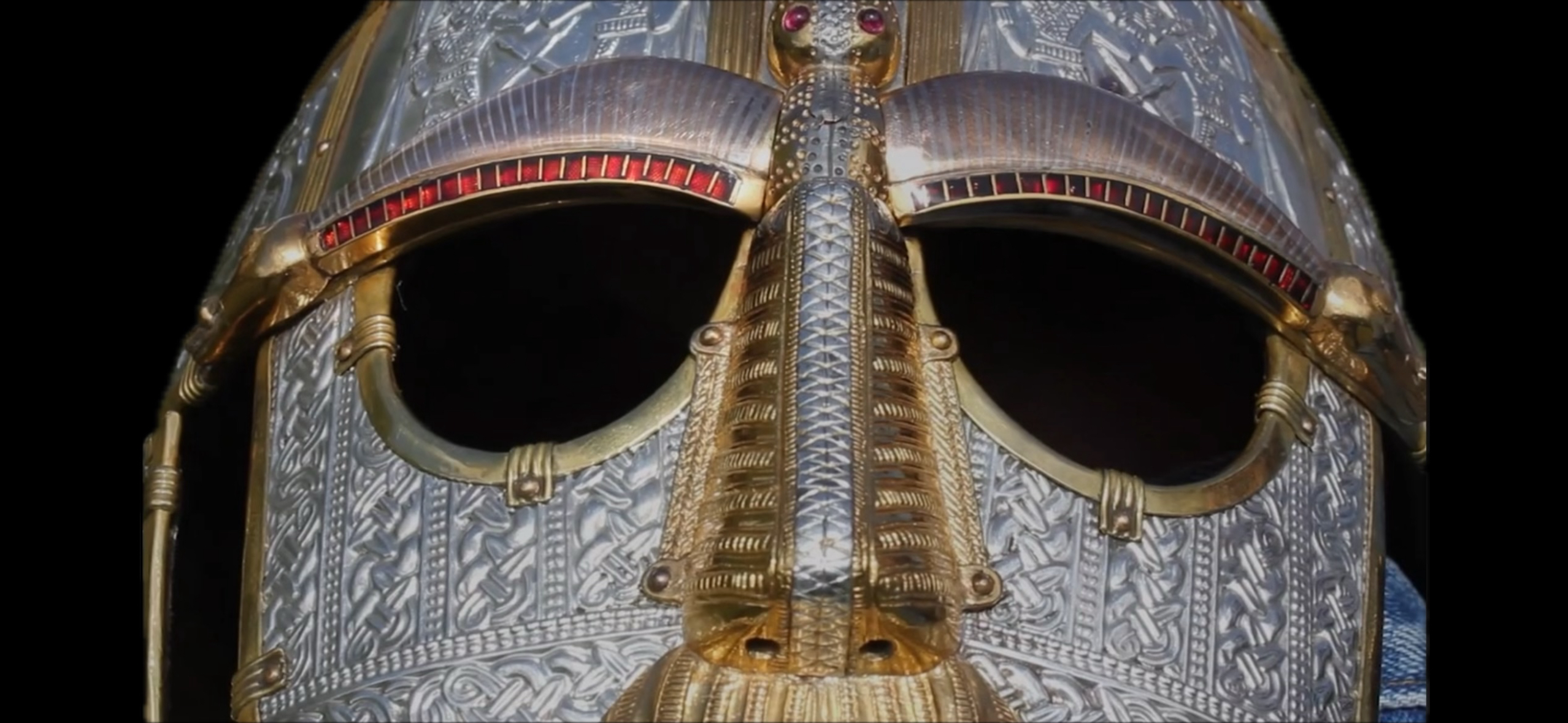
Ingwine Heathenship
Traditional North Sea Heathen Religion
A living tradition
Ours is a modern polytheistic religion based on the traditions of the ancient Angles, Saxons, Chauci, Frisians, and Jutes, as well as the Batavi, Menapii, and Eburones—peoples whose cultures bridged Gallic and North Sea Germanic traditions and contributed to the early Germanic heritage of England, the Low Countries and surrounding regions.
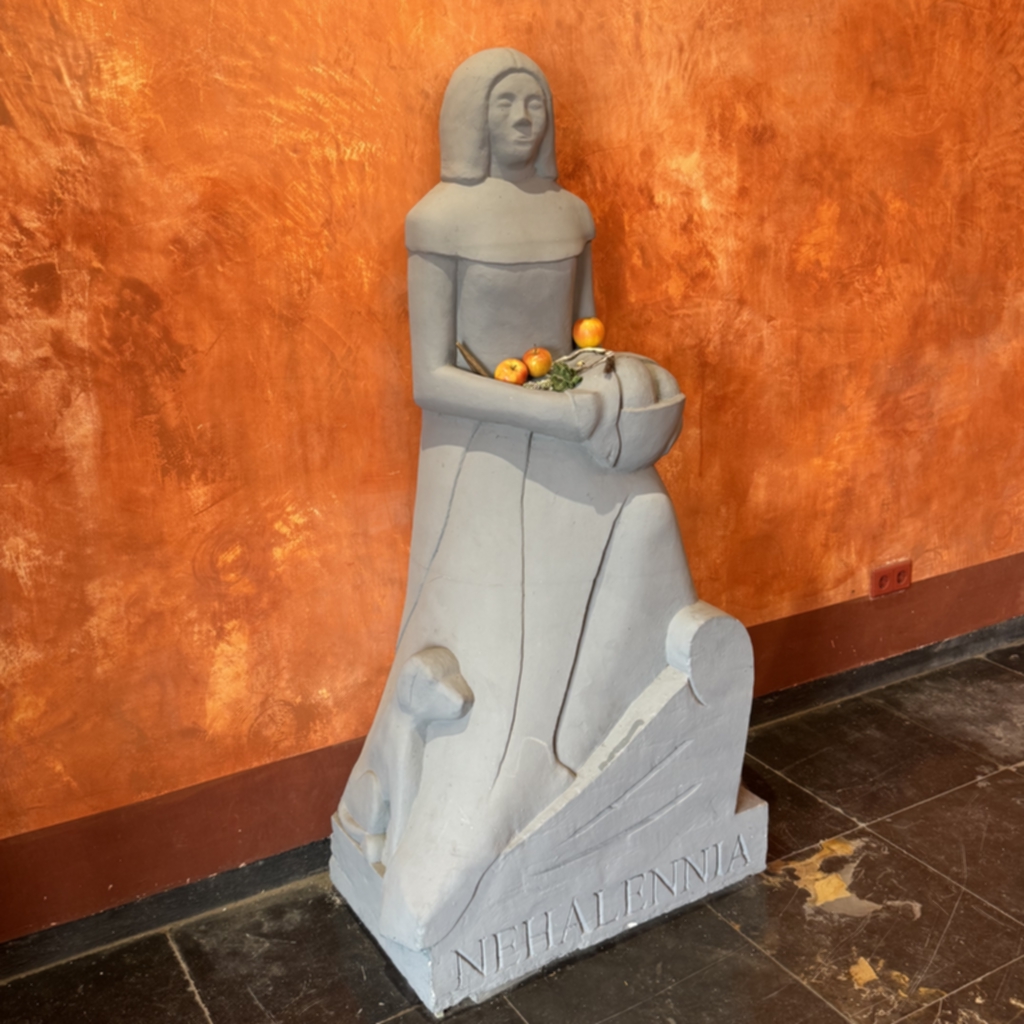
Polytheistic
We venerate the gods and goddesses of pre-Christian Northwestern Europe and England.
View →
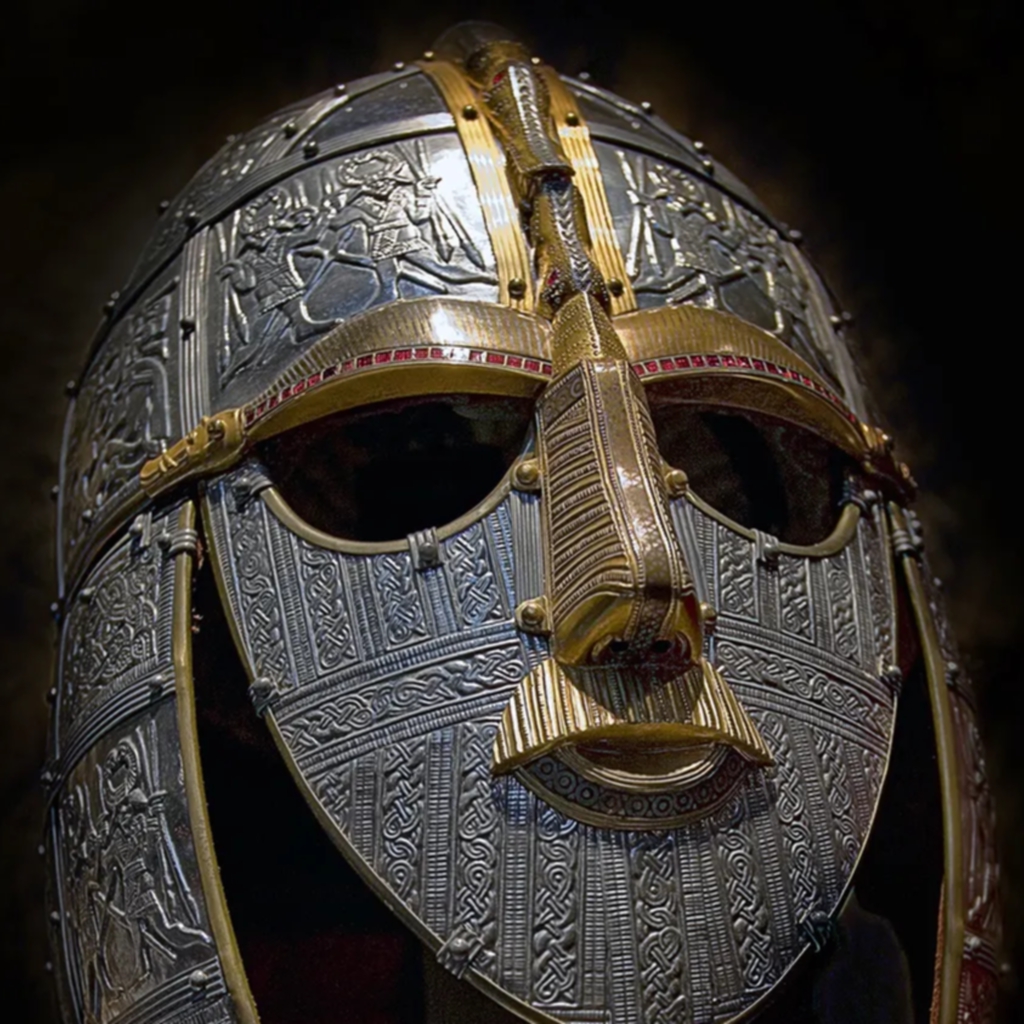
Ethical
We believe in honor, personal accountability, and loyalty to our families and chosen associations.
View →
Life-affirming
We reject modern nihilism, and embrace a philosophy that values social order, positive traditions.
View →
Nature Centered
We honor the Earth, and the spirits of place. We strive as much possible to live in harmony with nature.
View →
Our Core articles of faith
Our faith is life-affirming and honors the Earth, our ancestors, and the Gods and Goddesses of the pre-Christian North Sea world. We call this faith Ingwine Heathenship, or in the ancient Anglo-Saxon language, Ingƿina Hæðenscipe. Our principle article of Faith, is what we call the Threefold Goal.

Our Society
The Ingvaeonic Society (Old English: Ingwina Ferræden) is a 501(c)3 non-profit dedicated to advancing Ingwine Heathenship. We are organized as a Friðgild—a peace-guild in the ancient Germanic tradition—a fellowship bound by mutual obligation, shared faith, and the pursuit of friþ for our members and their communities. Formerly known as the Geferræden Fyrnsida, we support local férscipas across the United States, Belgium, and the United Kingdom through scholarship, networking, and the building of enduring Heathen institutions.
Inclusivity Statement
Terms like Ingvaeonic, Anglo-Saxon, and Germanic refer to linguistic and cultural traditions—not to genetics or race. Our organization welcomes all who approach these traditions with respect and sincerity. We do not discriminate on the basis of skin color, gender, or sexual orientation.
-
Hengist and Horsa
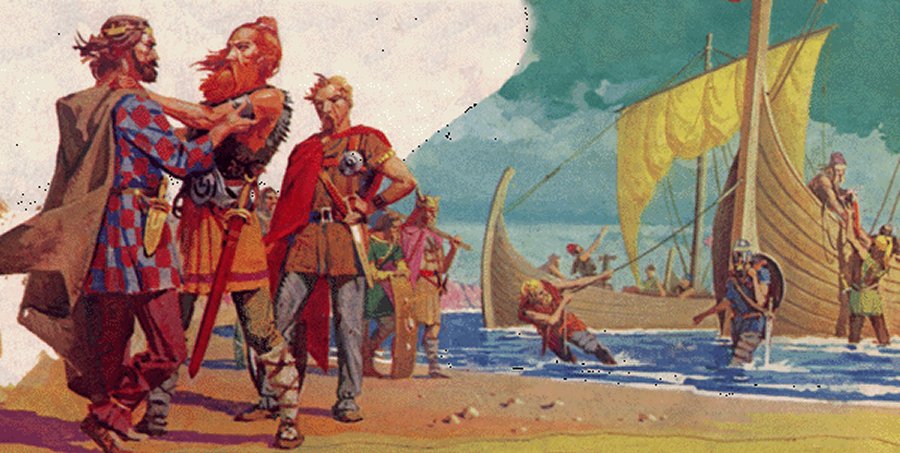
Hengist and Horsa are two figures that loom large in the mythos of early England. According to the Anglo-Saxon Chronicle, the Ecclesiastical History of the English People, and…

4 min read
-
Bede to Frig, for a Fruitful Marriage
This prayer is suitable for a wedding ceremony, part 1 is liturgical and not poetic. Part 2 is poetic, but not alliterative. It is in a modern metre.…
4 min read
-
Midsummer
Ritual Roles For the purposes of creating a template, the active roles have been divided up as though there was a primary organizer of the ritual, and one…
4 min read
-
No, the Anglo-Saxons didn’t start Yuletide in late January.
This is a strange blog post to have to write, but it seems it is still relevant in 2022. There is a lot of hubub out there in…
4 min read
-
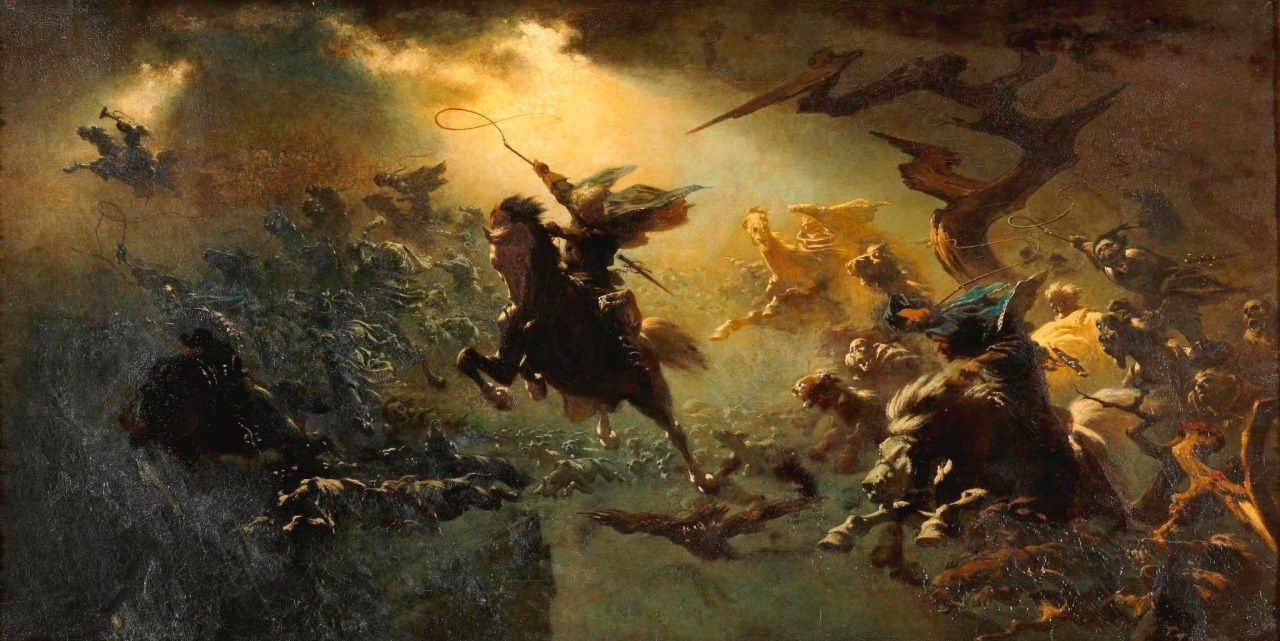
Winterfylleþes Wíntíber
Introduction Wíntíber is an Old English term that literally means ‘wine-sacrifice’. This ritual is an abbreviated form of offering, which need involve no formal blessing and no…
4 min read
-
4 min read