
-
![Profile picture of Osric]()
Osric started the topic Plausible Gem and Crystal Correspondence Table in the forum
Leechdom in the group Leechdom
I just wrote a blog on crystal and gems, and how they are NOT out of place in Ingwine Heathenship as apotropaic or talismanic purposes. So let’s go full bore, howabout a little chart of correspondences for the purpose of Leechdom?
Stone/Crystal
Traditional Associations
Early Sources / ContextAmber
Protection, healing, repelling evil; sometimes associated with fertility and fire
Found in women’s graves (Meaney); valued in both Germanic and Mediterranean antiquity. Pliny says it wards off throat ailments. Amber’s electrostatic property made it seem “alive.”Jet
Apotropaic power, used against the evil eye; burnt in rites
Common in Anglo-Saxon amulet assemblages (Meaney); Marbod: repels demons, serpents, and illness; used in Roman funeral rites and charmsRock Crystal (Quartz)
Purity, foresight, water symbolism, visionary clarity
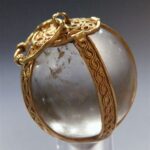
Frequently found in elite Anglo-Saxon graves (e.g., crystal balls); Pliny calls it ice permanently frozen by divine cold; associated with prophecy in some lapidariesAmethyst
Sobriety, protection from intoxication, mental clarity
Marbod: prevents drunkenness; Pliny and Theophrastus say the same. Found in Merovingian graves. Color linked with the sacred and royal.Garnet
Vital force, protection in battle, vigor, possibly blood symbolism
Used in cloisonné in weapons and jewelry; strong Germanic prestige good. Meaney notes garnet’s frequent appearance in elite Anglo-Saxon burial. May be linked to mægen.Carnelian
Courage, vitality, protective during travel; blood and life-force
Pliny praises it for its vivid color and protective quality; appears in Roman and Merovingian adornments. Later lapidaries continue this.Sapphire
Wisdom, truth, calming wrath and storms, favor with the divine
Marbod: linked to divine contemplation; rare but valued. More common in later medieval relic contexts, but ancient lapidaries mention it.Agate
Strength, health, victory in conflict, grounding
Theophrastus and Pliny both associate it with healing and fortitude; Meaney notes agates among Anglo-Saxon beads in composite amulets.![Profile Photo]() liked this
1 Comment
liked this
1 Comment
The Ingvaeonic Society













Oh this is good. I already have a modest collection of clear quartz and amethyst, from my grandmother. I’m definitely going to seek out some Amber and Jet as well