
-
![Profile picture of Hirut]()
Hirut joined the group
History, Archaeology
![]()
![Profile Photo]()
-
-
![Profile picture of Hirut]()
Hirut posted in the group Mythology, Theology and Folklore
⁉️After waiting a long time, I’m finally asking this question. The more I read, the more confused I get, because different sources say different things. I also can’t find a clear answer on Discord.
Question:
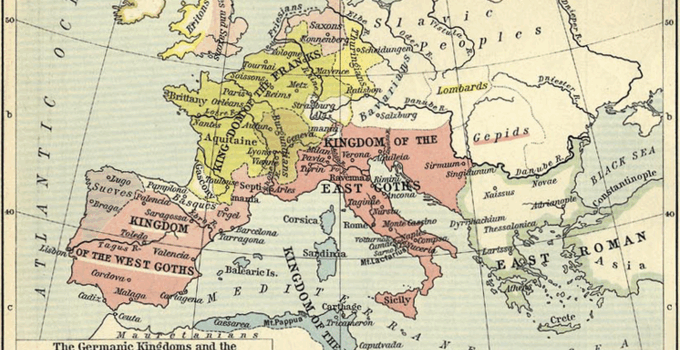
Is it correct that Sceafa, the son of Beowa, is the same as the Lombardic king who was found as a child floating in a small boa…Read More4 Comments-
![Profile picture of Osric]()
@thehoptimist I made a forum thread to hold more data, without it scrolling away. 🙂
-
![Profile picture of Hirut]()
That makes sense — so in the English line we get Sceaf as the foundling, Scyld as the warrior-king who brings order, and in some genealogies Beowa as Scyld’s son, whose name points back to barley and fertility. In the Norse tradition, the miraculous origin drops out and Skjöld becomes Odin’s son, while among the Lombards the roles merge in Agelmu…Read More
-
![Profile picture of Osric]()
Correct. It has errors. Sceaf in the English retelling was made King of old Anglia.
-
-
-
![Profile picture of Hirut]()
Hirut posted in the group Heathen Book Club
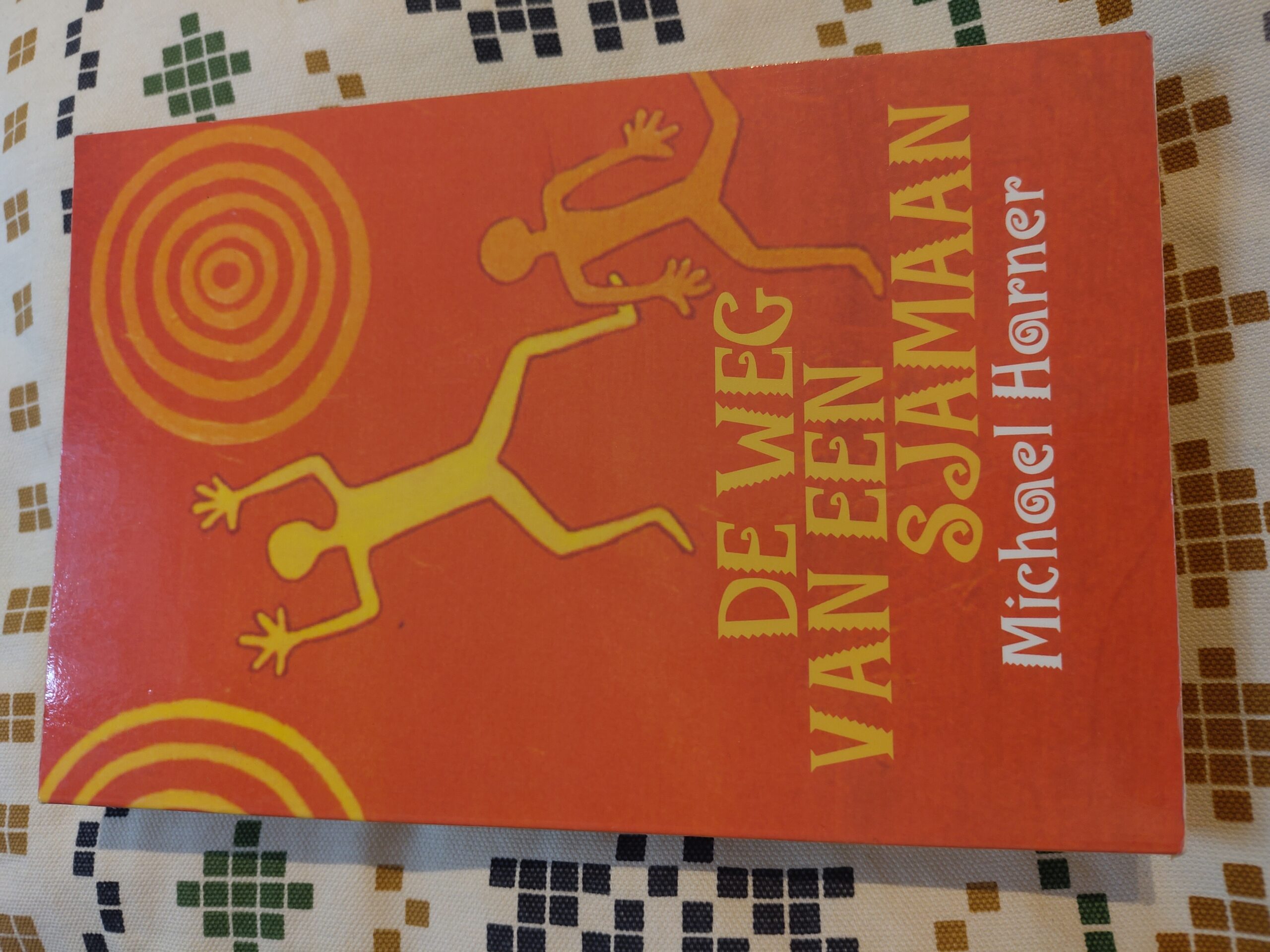
The Way of the Shaman is both a spiritual manual and a scholarly work. It presents an actionable guide to shamanic techniques—like drumming, journeying, and healing—rooted in Harner’s anthropological research and personal experience. Whether you’re new to shamanism or seeking structured exploration, it’s a compelling invitation to journey i…Read More
![]()
-
![Profile picture of Hirut]()
Hirut and
Bear Scott are now friends
![]()
![Profile Photo]()
- Load More Posts
The Ingvaeonic Society























So there are different versions of this story, that move things around.
Old English tradition
• Sceaf — name literally means “sheaf” (grain sheaf). In later English chronicles (Æthelweard, William of Malmesbury), he’s the boat-foundling with a sheaf of grain under his head.
• Scyld — name literally means “shield.” In Beowulf, he’s called Scyld…Read More