 Written by
 The Pagan Roots of St. Catherine
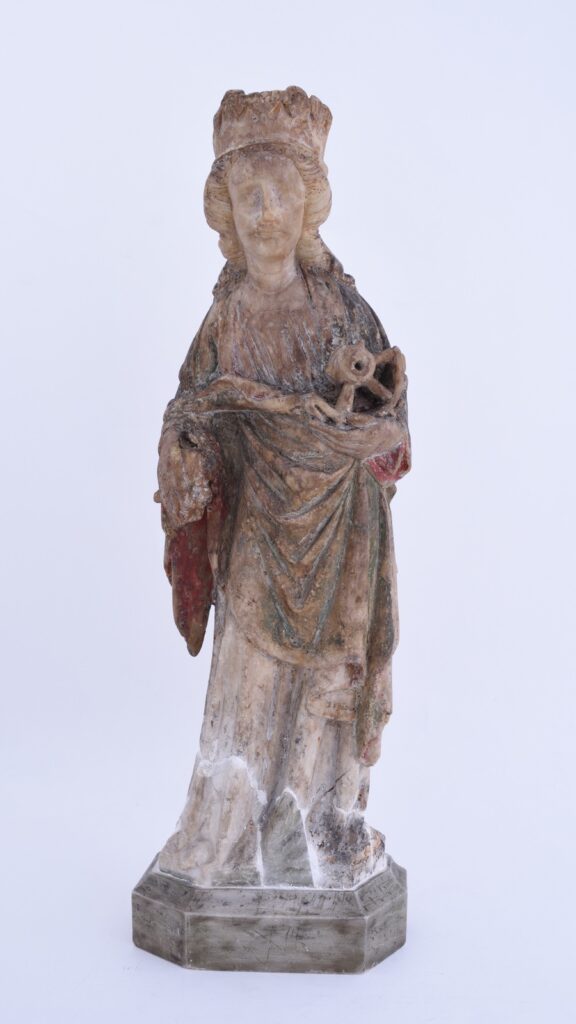
The feast of St. Catherine, held annually on November 25th, is more than just a Christian commemoration. The symbolism of this day encompasses centuries-old pagan traditions surrounding winter, fate, and female rites of passage, which were absorbed by Christianity.
The symbolism of this day dates back to much older pagan traditions. In agricultural societies, the end of November marked the beginning of winter, a time when spinning and weaving were central. This was not only practical but also ritually charged: spinning threads was seen as a magical act connected to fate and the fertility of the coming year.
In Germanic mythology, the Nornir – goddesses of fate – determined fate by spinning the threads of life at the world tree Yggdrasil. These images of spinning and weaving as metaphors for life were widespread in pre-Christian Europe. When the festival was Christianized, this imagery was linked to Saint Catherine of Alexandria, with her martyrdom taking over the symbolism of the spinning wheel.
Parallel between then and now:
Fertility symbolism: Spinning thread was once seen as a magical act to ensure fertility for the coming year. In Catholic tradition, Saint Catherine became the patron saint of young girls and virgins, and her purity is emphasized, as a Christianized continuation of the fertility theme.
Rites of passage: What were once pagan rites of passage for young women (think of the Nornir who determine the path of life), became in the Middle Ages a time for young women to prepare for marriage or monastic life.
Contemporary Flemish Echoes:
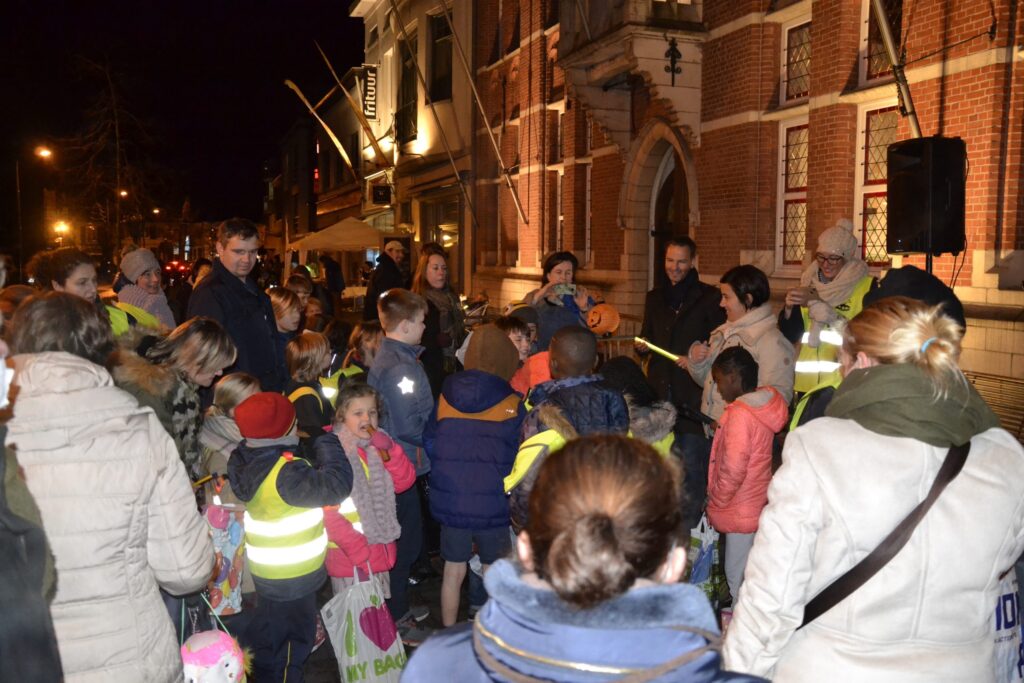
Traditions live on:
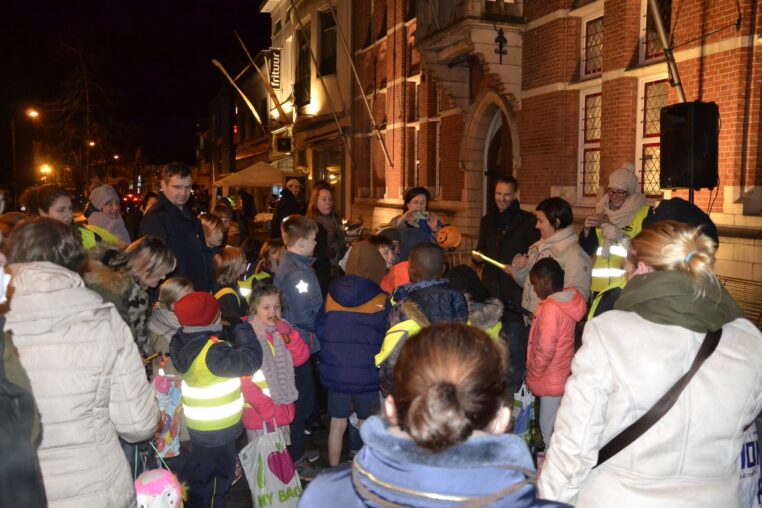
Saint Catherine Singing (Arendonk): A living piece of intangible heritage. Children go door to door with lanterns, offering treats as a reminder of the winter begging traditions.
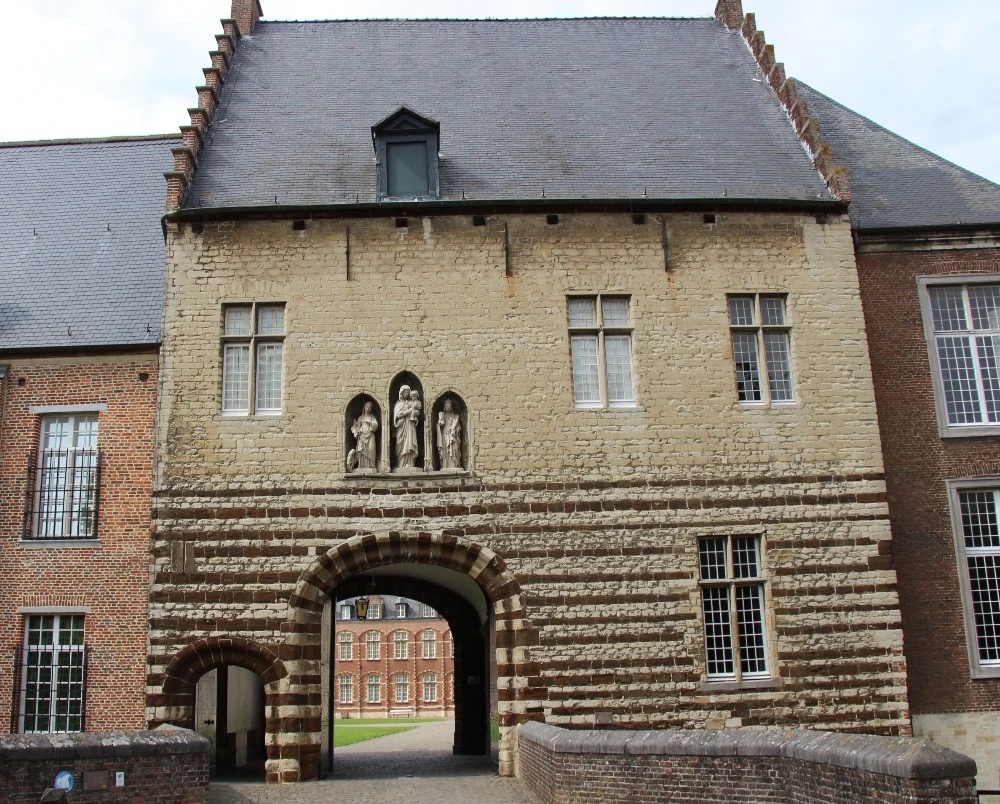
Saint Catherine-Waver: In municipalities like Saint Catherine-Waver, where the parish church is dedicated to the saint, the patron saint’s feast is still celebrated with special Eucharistic services and processions, such as the annual procession of the Saint Catherine Fair.
Patron Saint: Catherine remains the patron saint of students, philosophers, and wheeled professions (millers, potters).
The feast of November 25th demonstrates how pagan traditions and Christian symbolism are interwoven in our culture – a lasting reminder of the age-old cycle of life and fate.

 Written by
 Written by